Shop

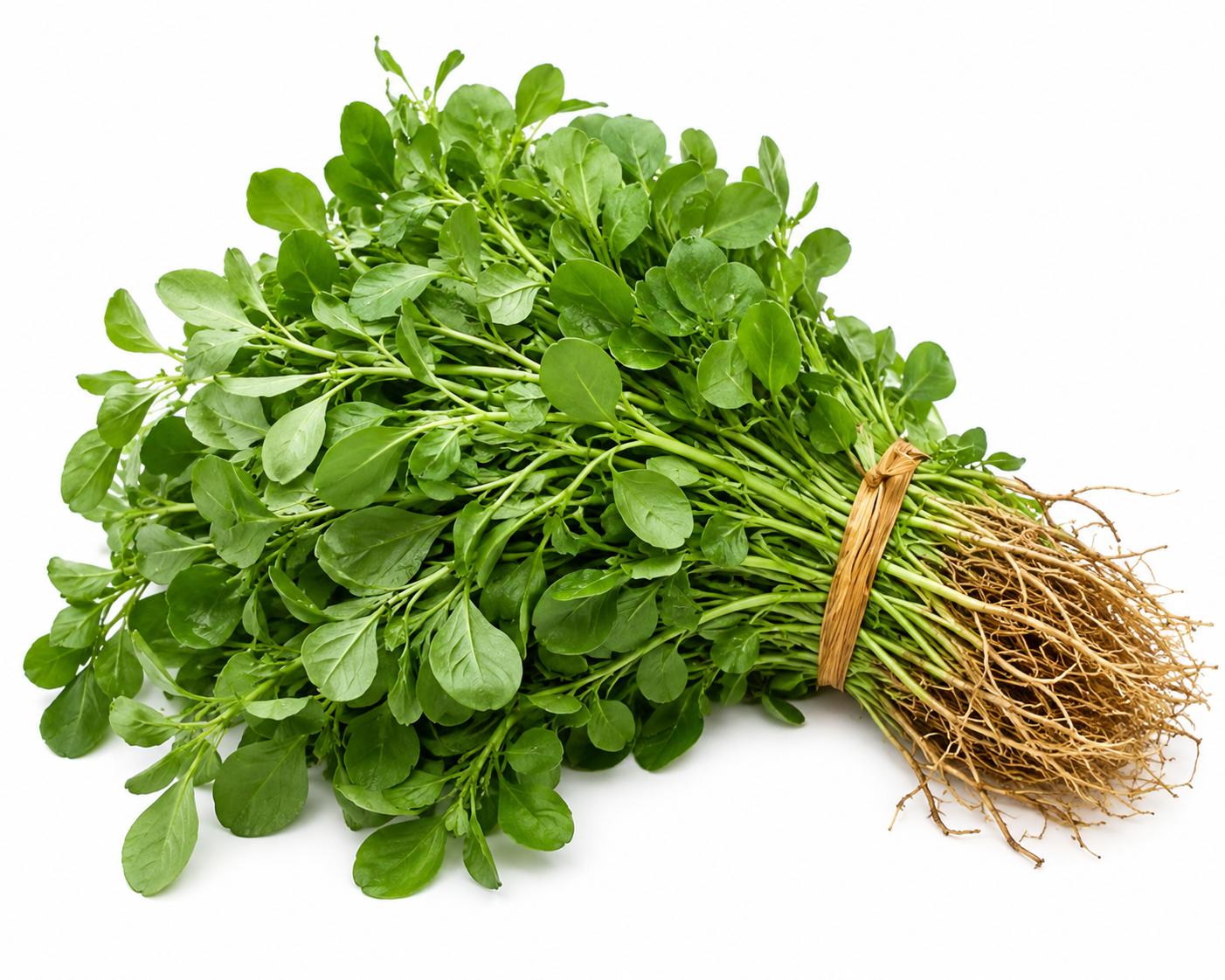
Indian Amaranth Leaves (Arai Keerai) - 250g
Indian Amaranth Leaves (Arai Keerai) - 250g
Check delivery to your area
Couldn't load pickup availability
Amaranthus tricolor, commonly called Red-stem Amaranth or Red Amaranth, is a leafy vegetable widely eaten across South and Southeast Asia. The leaves and stems are edible and are often used in stir-fries, curries, soups, and dals.
Nutrition
Red amaranth is a good source of:
- Vitamin A (supports vision and immune function)
- Vitamin C (antioxidant, supports skin and immunity)
- Vitamin K (important for blood clotting and bone health)
- Folate (important for cell growth and pregnancy)
- Iron (helps form red blood cells)
- Calcium (supports bones and teeth)
- Potassium (helps regulate blood pressure)
- Dietary fiber (supports digestion)
The red-purple color comes from natural plant pigments called betalains, which have antioxidant properties.
Potential Benefits
-
Supports eye health
- Rich in vitamin A and carotenoids.
-
May help prevent iron deficiency
- Contains iron, though absorption improves when eaten with vitamin C-rich foods such as lemon or tomatoes.
-
Supports digestive health
- Fiber can help maintain regular bowel movements.
-
Provides antioxidants
- Betalains and vitamin C help protect cells from oxidative stress.
-
Supports heart health
- Potassium and fiber may contribute to healthy blood pressure and cholesterol levels as part of a balanced diet.
-
Supports bone health
- Contains calcium and vitamin K.
How to Eat It
- Make keerai poriyal (stir-fry).
- Cook with dal/paruppu.
- Add to soups and curries.
- Lightly sauté with garlic, onions, and spices.
Things to Keep in Mind
- Like spinach and some other leafy greens, amaranth contains oxalates. People with a history of certain kidney stones may wish to consume it in moderation and discuss dietary choices with a healthcare professional.
- Wash thoroughly before cooking to remove dirt and pesticide residues.
A typical serving of cooked red amaranth is a nutritious, low-calorie addition to meals and can be included regularly as part of a varied diet.
Share
Amaranthus tricolor, commonly called Red-stem Amaranth or Red Amaranth, is a leafy vegetable widely eaten across South and Southeast Asia. The leaves and stems are edible and are often used in stir-fries, curries, soups, and dals.
Nutrition
Red amaranth is a good source of:
- Vitamin A (supports vision and immune function)
- Vitamin C (antioxidant, supports skin and immunity)
- Vitamin K (important for blood clotting and bone health)
- Folate (important for cell growth and pregnancy)
- Iron (helps form red blood cells)
- Calcium (supports bones and teeth)
- Potassium (helps regulate blood pressure)
- Dietary fiber (supports digestion)
The red-purple color comes from natural plant pigments called betalains, which have antioxidant properties.
Potential Benefits
-
Supports eye health
- Rich in vitamin A and carotenoids.
-
May help prevent iron deficiency
- Contains iron, though absorption improves when eaten with vitamin C-rich foods such as lemon or tomatoes.
-
Supports digestive health
- Fiber can help maintain regular bowel movements.
-
Provides antioxidants
- Betalains and vitamin C help protect cells from oxidative stress.
-
Supports heart health
- Potassium and fiber may contribute to healthy blood pressure and cholesterol levels as part of a balanced diet.
-
Supports bone health
- Contains calcium and vitamin K.
How to Eat It
- Make keerai poriyal (stir-fry).
- Cook with dal/paruppu.
- Add to soups and curries.
- Lightly sauté with garlic, onions, and spices.
Things to Keep in Mind
- Like spinach and some other leafy greens, amaranth contains oxalates. People with a history of certain kidney stones may wish to consume it in moderation and discuss dietary choices with a healthcare professional.
- Wash thoroughly before cooking to remove dirt and pesticide residues.
A typical serving of cooked red amaranth is a nutritious, low-calorie addition to meals and can be included regularly as part of a varied diet.