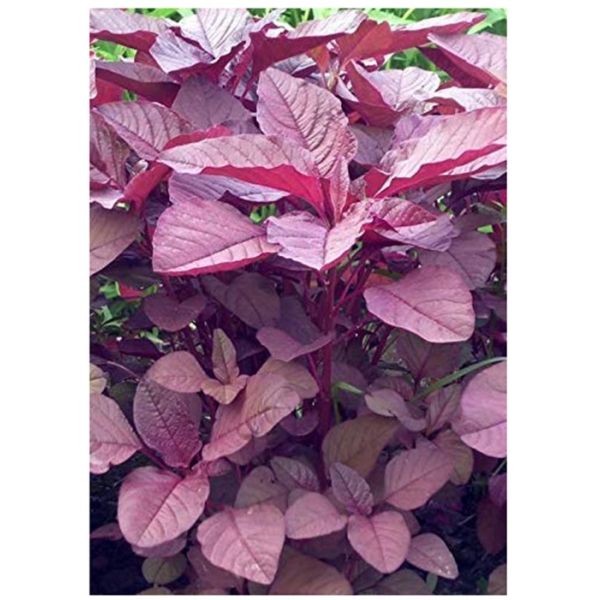
Red Amaranthus is a nutrient-rich leafy green vegetable known for its vibrant red leaves and earthy flavor. Packed with iron, calcium, and antioxidants, it supports overall health and is commonly used in Indian and Asian cuisines. Ideal for stir-fries, dals, curries, and soups, it adds both color and nutrition to your meals.
Deatils:
Nutrition
Red amaranth is a good source of:
- Vitamin A (supports vision and immune function)
- Vitamin C (antioxidant, supports skin and immunity)
- Vitamin K (important for blood clotting and bone health)
- Folate (important for cell growth and pregnancy)
- Iron (helps form red blood cells)
- Calcium (supports bones and teeth)
- Potassium (helps regulate blood pressure)
- Dietary fiber (supports digestion)
The red-purple color comes from natural plant pigments called betalains, which have antioxidant properties.
Potential Benefits
-
Supports eye health
- Rich in vitamin A and carotenoids.
-
May help prevent iron deficiency
- Contains iron, though absorption improves when eaten with vitamin C-rich foods such as lemon or tomatoes.
-
Supports digestive health
- Fiber can help maintain regular bowel movements.
-
Provides antioxidants
- Betalains and vitamin C help protect cells from oxidative stress.
-
Supports heart health
- Potassium and fiber may contribute to healthy blood pressure and cholesterol levels as part of a balanced diet.
-
Supports bone health
- Contains calcium and vitamin K.
How to Eat It
- Make keerai poriyal (stir-fry).
- Cook with dal/paruppu.
- Add to soups and curries.
- Lightly sauté with garlic, onions, and spices.
Things to Keep in Mind
- Like spinach and some other leafy greens, amaranth contains oxalates. People with a history of certain kidney stones may wish to consume it in moderation and discuss dietary choices with a healthcare professional.
- Wash thoroughly before cooking to remove dirt and pesticide residues.
A typical serving of cooked red amaranth is a nutritious, low-calorie addition to meals and can be included regularly as part of a varied diet